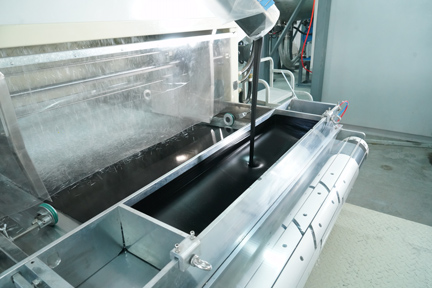
Fiberglass Composite

Types, Properties, and Applications
Fiberglass, also known as chopped fiberglass reinforced plastic or glass fiber reinforced polymer resin(FRP). The glass fiber is usually flattened into a sheet, randomly arranged or woven into a fabric, is a high-performance composite material widely used across industries for its exceptional combination of strength, durability, and lightweight properties. Comprised of fine strands of glass embedded in a resin matrix, fiberglass offers a versatile solution for applications ranging from construction and automotive to aerospace, marine, and consumer goods. Its unique composition makes it an ideal choice for environments that demand structural integrity, corrosion resistance, and design flexibility.
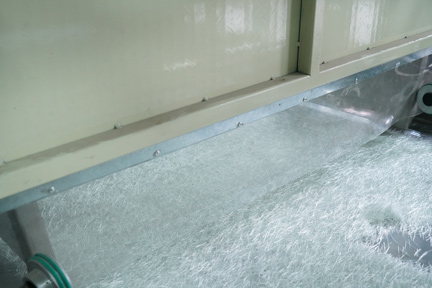
What is fiberglass?
Fiberglass is created by weaving, matting, or layering extremely fine glass fibers, which are then combined with a resin such as polyester or epoxy. The glass fibers provide the material's structural strength, while the resin binds the fibers together, enhancing rigidity and stability. The resulting composite material is lightweight yet strong, resistant to corrosion, and able to withstand temperature fluctuations, chemicals, and environmental exposure. The term "fiberglass" generally refers to the finished composite product, while "glass fiber" describes the raw strands before resin impregnation. By adjusting fiber orientation, layering techniques, and resin types, JINMENG company can tailor fiberglass for specific industrial applications.

Key Properties of Fiberglass
Fiberglass is valued for its combination of mechanical, thermal, and chemical properties:
High Strength-to-Weight Ratio: Fiberglass offers superior specific strength compared to many metals, including steel, making it ideal for applications where weight reduction is critical, such as aircraft, vehicles, and sporting equipment.
Corrosion Resistance: Unlike metals, fiberglass does not rust, making it suitable for harsh environments such as marine structures, chemical storage tanks, and outdoor constructions.
Thermal and Electrical Insulation: Fiberglass exhibits low thermal conductivity and excellent electrical insulation, making it suitable for ducts, housings, and electronic enclosures.
Dimensional Stability and Moldability: Fiberglass can be molded into complex shapes without compromising structural performance, enabling innovative designs in automotive, aerospace, and industrial applications.
Durability and Low Maintenance: With minimal maintenance requirements, fiberglass components can last decades, providing cost-effectiveness over their service life.
Fire Retardant and Chemical Resistance: Specific resins can be used to improve resistance to fire, chemicals, or UV exposure, extending the material’s versatility.
Fiberglass Applications Across Industries
Fiberglass used in marine or outdoor structures may incorporate UV-resistant resins, while aerospace components may prioritize high strength-to-weight ratios. The adaptability of fiberglass allows it to replace more traditional materials such as metal, concrete, and wood in a variety of applications. Some common uses include:
Construction: Fiberglass is widely used in building insulation, wall panels, composite covers, ventilation ducts, and reinforcement for cement or plastic composites. Its thermal and acoustic insulation properties make it essential for modern construction.
Automotive: Lightweight fiberglass components, such as body panels and housings, reduce vehicle weight while maintaining durability, improving fuel efficiency, and allowing for intricate design shapes.
Aerospace: The aerospace industry relies on fiberglass for lightweight yet strong structures, including cockpit panels, interior components, and structural reinforcements.
Marine: Fiberglass boat hulls, decks, and storage tanks resist corrosion and water damage, making the material indispensable in marine applications.
Consumer Products: Outdoor furniture, sports equipment, and protective casings leverage fiberglass for its combination of durability, lightweight, and design flexibility.
Industrial Equipment: Enclosures, fans, ducts, and housings benefit from fiberglass’s noise absorption, thermal insulation, and chemical resistance properties.
Health and Safety Considerations
While fiberglass is a remarkable material for industrial and consumer use, it requires proper handling to minimize health risks. Fiberglass fibers can become airborne during installation, maintenance, or demolition of insulation or composite products. Exposure can occur through inhalation, skin contact, or ingestion, with potential symptoms including skin irritation, coughing, or mild respiratory discomfort.
Occupational exposure is highest among workers who handle fiberglass regularly, such as installers, maintenance personnel, and manufacturing staff. Recommended protective measures include wearing gloves, long-sleeved clothing, safety glasses, and respirators to limit inhalation of airborne fibers. Once installed, fiberglass is generally safe, with exposure unlikely unless disturbed during renovations or maintenance.
Regulatory agencies have established guidelines for safe exposure levels. The Occupational Safety and Health Administration (OSHA), along with industry associations, recommends limiting workplace exposure to breathable fiberglass fibers to one fiber per cubic centimeter of air over an eight-hour workday. Long-term studies indicate that properly managed fiberglass does not pose a significant cancer risk, though high-level exposure to dust may exacerbate existing respiratory conditions.
Fiberglass vs. Other Materials
When choosing materials for industrial or structural applications, understanding how fiberglass compares to alternatives like metal, concrete, or stone is crucial.
- RIM → Best for lightweight large parts with complex shapes.
- RTM → Strong structural composite with high performance.
- SMC → Industry standard for durable infrastructure covers.
- BMC → Ideal for smaller precision molded components.
- Precast Concrete → Strong but heavy traditional civil material.
- Cast Iron → Extremely strong but heavy, corrosive, and theft-prone.
Composite Materials (RIM, RTM, SMC, BMC)
→ Lightweight, corrosion-free, low-maintenance, modern infrastructure solutions.
Traditional Materials (Concrete, Cast Iron, Stone)
→ High strength but heavy, harder to install, higher lifecycle cost.
Natural Materials (Wood, Stone)
→ Useful for construction or aesthetics but limited durability in harsh environments.
Metals
→ Excellent structural strength but prone to corrosion and higher maintenance compared with composites.
Manufacturing and Customization
Fiberglass manufacturing allows for high levels of customization. Glass fibers can be woven, chopped, or layered, and different resins can impart properties such as heat resistance, fire retardancy, chemical resistance, or increased toughness. Fiberglass components can be colored during production, ensuring long-lasting finishes without the risk of fading or chipping.
Industrial users often leverage fiberglass for applications that require precise shapes or unique designs, such as equipment housings, ducts, or machinery casings. The material’s moldability reduces the need for secondary processing, providing cost and time efficiency. In equipment housings, fiberglass also improves acoustic performance, reducing noise levels and enhancing operator safety.
Environmental Considerations
Fiberglass is generally durable and resistant to environmental degradation, which reduces replacement and maintenance frequency. However, its production and disposal need careful management. Fiberglass can enter the environment through manufacturing emissions or damaged materials, and while it does not biodegrade easily, its long lifespan offsets frequent replacements. Proper handling and recycling programs are recommended to minimize environmental impact.
Is Fiberglass Right for Your Application?
Fiberglass’s lightweight, high-strength, corrosion-resistant, and moldable properties make it a superior choice for many industrial, commercial, and consumer applications. Its versatility allows it to perform in challenging environments, from marine settings to chemical storage, while remaining durable and cost-effective.
For industries that prioritize weight reduction, complex geometries, environmental resistance, or long-term performance, fiberglass is often the optimal material. With proper handling and occupational safety measures in place, it can deliver reliable, long-lasting performance with minimal maintenance, making it a sustainable choice across applications.
Conclusion
Fiberglass is a uniquely adaptable composite material that bridges the gap between lightweight plastics and durable metals. Its exceptional mechanical, thermal, and chemical properties, combined with ease of manufacturing and customization, have made it an essential material for modern industrial and consumer applications. Whether for building insulation, automotive parts, marine equipment, or industrial housings, fiberglass continues to provide innovative, cost-effective solutions that meet the demands of today’s engineering challenges.
By understanding its properties, advantages, and safety considerations, manufacturers and end-users can make informed decisions, ensuring that fiberglass delivers both performance and longevity across a wide array of applications.

URBAN INFRASTRUCTURE
Composite infrastructure are transforming modern urban infrastructure by offering durable, lightweight, and sustainable alternatives to traditional materials. Engineered from advanced fiberglass-reinforced composites, these solutions provide superior corrosion resistance, high load-bearing capacity, and long service life with minimal maintenance requirements. Widely applied in manhole systems, drainage systems, and access structures, composite products enhance safety while reducing lifecycle costs for municipalities. Their non-conductive, anti-theft, and environmentally friendly properties make them ideal for clean city development and resilient infrastructure planning.
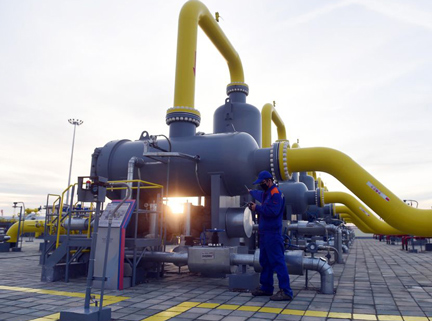
OIL & GAS
Oil & Gas pipeline manhole systems play a critical role in control and monitoring operations across energy infrastructure networks. Designed to protect access points for valves, sensors, and communication equipment, these systems enable safe inspection, maintenance, and real-time data collection. Advanced underground composite solutions provide corrosion resistance, chemical durability, and high load performance in harsh environments. By ensuring secure access and reliable monitoring of pipeline conditions, manhole systems help improve operational efficiency, environmental protection, and overall safety within oil and gas transportation networks.
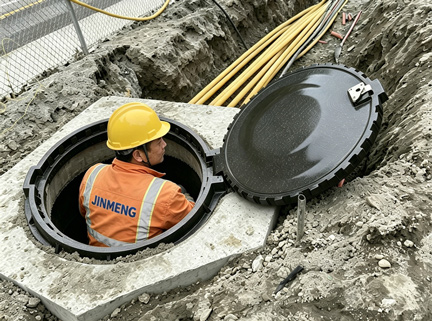
TELECOMMUNICATION & POWER
Composite solutions provide durable and efficient protection for critical utility networks. Engineered from advanced composite materials, these systems offer lightweight strength, corrosion resistance, electrical insulation, and long-term performance in demanding environments. Common applications include cable chambers, access covers, utility enclosures, and underground network protection. Composite solutions enhance safety by preventing electrical conductivity and reducing theft risks while minimizing maintenance costs. Supporting reliable data transmission and power distribution, they contribute to resilient, future-ready infrastructure for modern smart cities and expanding communication networks.
WATER & WASTEWATER
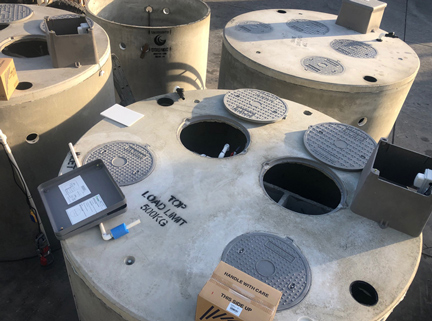
As a solution provider in the design and manufacture of premium fiberglass composite solutions, we provide watertight products tailored for the demanding conditions of the water and wastewater industry. Engineered to perform in highly corrosive environments, fiberglass polymer resin offers outstanding resistance to hydrogen sulfide and other aggressive chemicals commonly present in treatment facilities. Compared with stainless steel or concrete, fiberglass is significantly lighter, allowing easier handling and faster installation. With exceptional structural strength and load-bearing capacity, fiberglass composites are suitable for both above-ground and underground infrastructure applications.

AIRPORT
Airport underground system infrastructure plays a vital role in maintaining safe and efficient airfield operations. Designed to support heavy aircraft loads and constant ground traffic, these systems provide secure access to underground utilities such as drainage, electrical cabling, fueling lines, and communication networks. Composite manhole covers offer corrosion resistance, lightweight handling, and anti-slip performance, making them ideal for harsh aviation environments. Engineered for durability and safety, airport manhole systems help ensure reliable infrastructure performance while minimizing maintenance requirements and operational disruptions.
SEAPORT
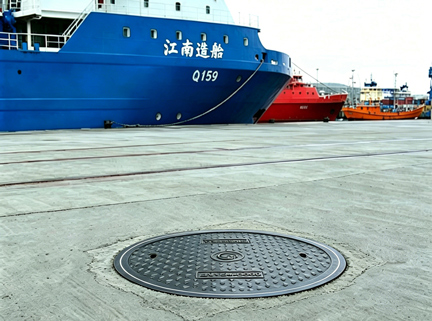
Seaport manhole system infrastructure is essential for supporting port operations and protecting critical underground utilities. Designed to withstand heavy container handling equipment, constant traffic, and aggressive marine environments, these systems provide access to drainage networks, electrical systems, fuel lines, and communication cables. Composite covers offer excellent corrosion resistance against saltwater exposure, lightweight installation advantages, and high load-bearing capacity. Reliable and durable manhole systems help ensure operational safety, reduce maintenance needs, and maintain continuous performance in demanding coastal and maritime conditions.
ENERGY& POWER
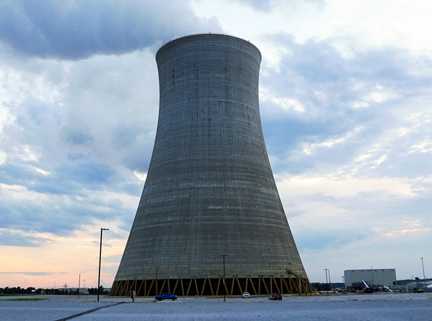
Underground systems for nuclear power plants are engineered to meet the highest standards of safety, durability, and environmental resistance. Fiberglass composite products provide exceptional corrosion resistance, non-conductive properties, and long service life in radiation-controlled and chemically aggressive environments. Lightweight yet structurally strong, composite access covers, trench systems, and platforms enable safer installation and reduced maintenance. Designed for reliability and regulatory compliance, composite infrastructure supports critical plant operations while enhancing operational efficiency, worker safety, and long-term asset protection.