Handhole FTTX
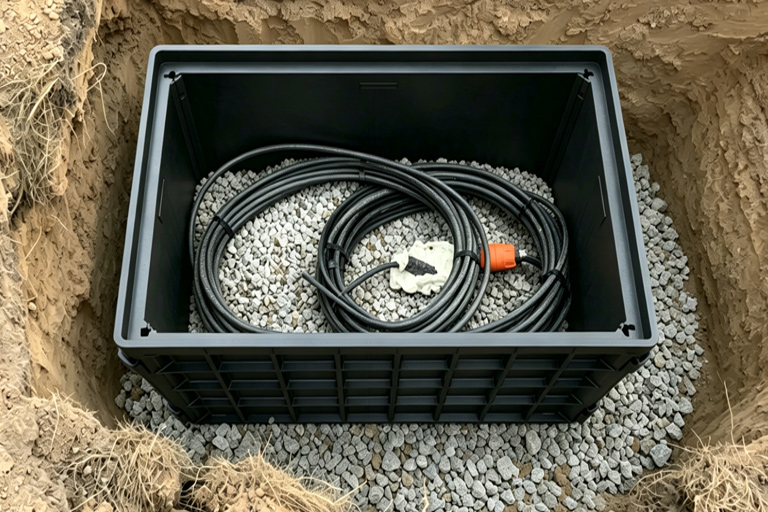
Handhole Box Design, Applications
Handhole is a kind of underground enclosure box, and also a fiber optical pull box, or an electric access chamber. Handholes are essential components in communication network infrastructure and pipeline system construction. They provide environmental protection and convenient access for fiber optic cables, electrical systems, communication lines, and other utility services. Handholes provide a composite solution for efficient operation, maintenance accessibility, and long-term system reliability in today’s telecommunication network infrastructure.
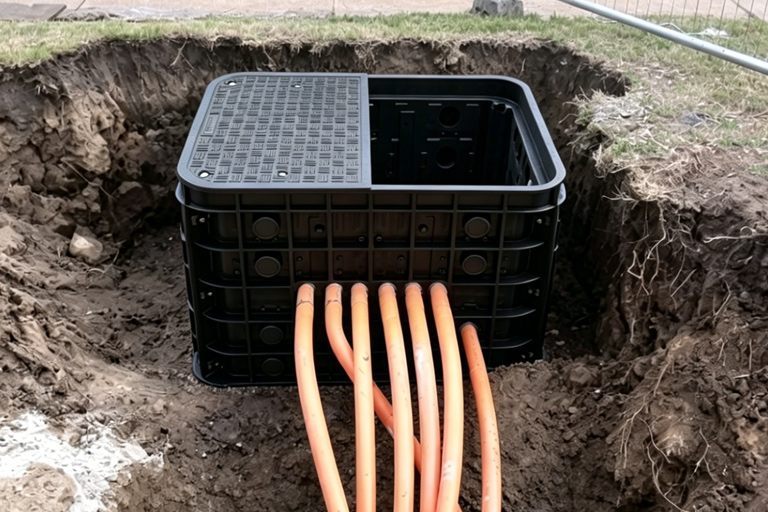
Handhole Vault Installation
In modern communications networks supporting FTTH (Fiber to the Home) deployments, underground handholes form the backbone of network accessibility. Whether privately built or federally funded, these installations allow technicians to manage cable routing, perform splicing, and maintain network continuity without major excavation. Beyond telecommunications, underground handholes support power distribution, transportation systems, industrial campuses, water infrastructure, and municipal utilities. Their versatility, durability, and adaptability make them indispensable elements of underground infrastructure design.
What is a Handhole?
A handhole is an underground box designed to house and protect utility connections while allowing personnel access for inspection, repair, expansion, or cable management. Installed along conduit systems, handholes provide entry points for pulling, splicing, rerouting, or maintaining cables.
Inside a typical handhole, technicians may find:
• Fiber optic splice cases
• Innerduct conduit systems
• Electrical or communication cables
• Slack loops (extra cable stored for repairs or future expansion)
• Grounding and organization components
In fiber optic networks, handholes are typically installed every 500 to 1,000 feet along underground cable routes. This spacing ensures serviceability while minimizing disruption during maintenance operations.
Role in Fiber Optic Infrastructure
Fiber optic handholes serve as primary access nodes linking fiber cables routed through innerduct conduits. They offer operation space for technicians to quickly splice fiber, add new connections, or repair damaged lines.
Slack loops stored inside the enclosure provide additional cable length that can be used if a section of fiber becomes damaged or if future network expansion is required. This design dramatically reduces downtime and avoids costly cable replacement projects.
Power and Communication Systems
Underground handholes also manage:
• Electrical distribution cables
• Broadband and data networks
• Smart traffic systems
• Campus communication networks
In enterprise or campus environments, handholes may appear more frequently than in long linear cable runs because of higher connection density and branching pathways.
Types of Handholes
Handholes come in multiple configurations and definition names depending on infrastructure needs:
Electrical Pull Boxes
Used primarily for routing and pulling electrical cables through conduit systems. They simplify installation and reduce cable tension during placement.
Telecom Handholes
Designed for fiber optic splicing and communication cable management. Often include mounting brackets and cable organization systems.
Utility Vaults
Larger underground enclosures capable of housing multiple utilities simultaneously. These are common in municipal or industrial installations.
Street Light Junction Boxes
Specialized handholes used in roadway lighting systems to protect electrical connections and allow maintenance access.
Each type serves a distinct purpose but shares the same goal: safe and efficient underground utility access.
Materials and Construction
Material selection significantly influences handhole durability, installation efficiency, and lifecycle cost. Several major material options dominate the industry.
Polymer Concrete Handholes
Polymer concrete enclosures are constructed using aggregates bonded with resin materials.
Key Characteristics
• Extremely durable and structurally strong
• Resistant to water infiltration, chemicals, and UV exposure
Integrated structure and a lack of flexibility
• Typically rated from Tier 15 to Tier 22
Because of their weight, polymer concrete handholes require machinery such as backbones and installation crews for placement. While highly cost-effective over long lifespans, shipping and handling costs can be higher.
Fiberglass Reinforced Polymer (Fiberglass)
FRP handholes combine fiberglass reinforcement with resin matrices
Advantages
• About 30% lighter than polymer concrete
• Easier handling and installation (especially side panel structure)
• Optional molded in knock out holes
• Medium–heavy duty can meet vehicular load ratings
• Available in Urban infrastructure
Fiberglass hanholes balance strength and reduced weight, making them popular for telecom and utility projects. FRP units can achieve Tier 15, Tier 22 ratings and, with reinforcement, may meet AASHTO H-20 traffic requirements. Available in roadway or traffic areas, Power distribution systems, Airports, ports, and rail projects, and industrial or corrosive environments.
High-Density Polyethylene (HDPE)
HDPE handholes are among the lightest available solutions.
Features
• 50–75% lighter than polymer concrete
• Price competitive but short service life(about 20 years)
• Drillable and Excellent flexibility
• May deformation in harsh envionment
• Light-Medium duty ,Usually pedestrian/light traffic
Despite lightweight construction, HDPE units can achieve Tier 8 ratings and, with reinforcement, may meet Tier 15 traffic requirements in large size boxes. Ideal for greenbelt installation or countryside fiber projects.
Load Ratings and Traffic Classification
Load rating determines how much weight a handhole can safely withstand. Selecting the correct rating ensures safety and regulatory compliance.
Common Tier Ratings
• Light Duty – Pedestrian areas only
• Tier 5 – Sidewalk installations with occasional accidental vehicle contact
• Tier 8 – Sidewalk applications with non-deliberate vehicular traffic
• Tier 15 – Driveways, parking areas, and off-road locations
• Tier 22 – Areas with occasional heavy vehicle exposure
• AASHTO H-20 – Designed for deliberate roadway traffic and heavy vehicles
Correct load classification prevents structural failure and extends installation life.
Design Considerations and Specifications
Sizing and Dimensions
Handholes vary widely in size depending on network complexity and future expansion needs.
Typical dimensions range from:
• 12 × 12 × 12 inches (small utility access)
• 17 × 30 × 24 inches (common telecom size)
• 24 × 36 × 24 inches
• 48 × 36 × 36 inches
• Up to 48 × 60 × 48 inches for large vault systems
The number and diameter of innerduct conduits—commonly ¾ inch to 4 inches—strongly influence size selection.
Future-proofing is a critical design consideration. Installing larger handholes initially reduces future excavation costs when network expansion occurs.
Shape Options
Most handholes are manufactured in rectangular shapes, maximizing internal space efficiency and simplifying conduit alignment.
Nameplates
Polymer concrete and HDPE types available for custom identification plates displaying company branding or labels such as “Telecom,” “Communication,” or “Utilities.” While a fiberglass handhole is capable of molding in pattern options
EMS Markers
Embedded electronic markers allow technicians to locate buried handholes beneath landscaping or snow using detection equipment.
Easy-Locate Systems
Ground bar access ports enable technicians to tone and trace underground cable networks without excavation. Interior Rack Mounts
Cable organization systems supporting splice closures and slack cable management, improving safety and maintenance efficiency.
Installation Process
Preparation and Planning
Successful handhole installation begins with proper planning:
• Evaluate soil conditions and drainage
• Determine traffic load requirements
• Select appropriate material and size
• Confirm compliance with local codes and standards
• Design conduit entry paths
Proper planning prevents settlement issues, flooding risks, and structural misalignment.
Step-by-Step Installation Overview
1. Excavation – Dig excavation area according to design dimensions.
2. Base Preparation – Install compacted gravel or stabilized base for drainage and stability.
3. Placement – Set the handhole level using appropriate equipment.
4. Conduit Connection – Install innerducts and route cables into the enclosure.
5. Cable Management – Store slack loops and install splice hardware.
6. Backfilling – Carefully backfill while maintaining enclosure alignment.
7. Final Inspection – Verify lid security, load rating compliance, and accessibility.
Following manufacturer instructions and safety practices is essential during installation.
Applications Across Industries
Telecommunications and Broadband
Telecom handholes are essential for rapid deployment of fiber networks. They protect splice points, enable quick repairs, and allow scalable network expansion as bandwidth demand grows.
Energy and Utility Infrastructure
In electrical distribution systems, handholes facilitate cable management, inspection, and fault isolation. Utility vaults help ensure uninterrupted power delivery and simplify maintenance operations.
Transportation Infrastructure
Roadways, airports, ports, and rail systems rely on traffic-rated handholes to manage lighting, signaling, and communication systems. These enclosures withstand heavy loads while protecting sensitive underground equipment.
Marine and Coastal Installations
Handholes installed near docks and ports must resist moisture, salt exposure, and environmental stress. Composite and polymer materials are particularly advantageous in these corrosive environments.
Campus and Enterprise Networks
Universities, business parks, and industrial facilities often require dense handhole placement due to multiple branching cable pathways. Handholes allow centralized access without disrupting surface operations.
Maintenance and Longevity
Material Durability
The lifespan of a handhole depends largely on material choice and environmental exposure. Composite, fiberglass, concrete, and HDPE materials offer varying balances between strength, corrosion resistance, and maintenance needs.
Properly selected and installed handholes can operate reliably for decades with minimal intervention.
Routine Maintenance Practices
Recommended maintenance includes:
• Regular visual inspection
• Checking lid integrity and locking systems
• Clearing debris and water accumulation
• Inspecting cable organization and splice integrity
• Verifying structural stability
Routine maintenance helps prevent service interruptions and costly repairs.
Customization and Future Trends
Handholes today are increasingly customized to meet project-specific requirements. Engineers can tailor:
• Size and depth
• Load rating
• Material composition
• Entry configurations
• Identification systems
As infrastructure evolves toward smart cities, renewable energy systems, and 5G telecommunications, handholes are also advancing. Lightweight composite materials, improved locating technologies, and modular designs are shaping the future of underground access systems.Frequently Asked Questions
What are standard handhole sizes?
They typically range from small 12-inch junction boxes to large utility vaults exceeding 48 inches in length or depth.
How is load rating determined?
The expected traffic conditions dictate the rating. Roadways require H-20 rated enclosures, while pedestrian areas need lower-tier designs.
Can handholes be customized?
Yes. Manufacturers offer customized dimensions, materials, accessories, and configurations to meet project demands.
Conclusion
Underground handholes are foundational components of modern infrastructure, supporting telecommunications, power distribution, transportation systems, and municipal utilities. By providing accessible, protected locations for cable management and maintenance, they ensure network reliability and operational efficiency.
Advancements in composite materials, improved installation practices, and intelligent design continue to enhance handhole performance. Whether supporting fiber optic expansion, energy infrastructure, or urban development, well-designed handholes remain essential to building resilient, scalable, and future-ready underground utility systems.